
What Is a Materials Recovery Facility (MRF)?
Materials recovery facilities (MRFs) are the high-tech hubs of the recycling industry, turning raw waste into valuable commodities and helping businesses hit critical sustainability targets.
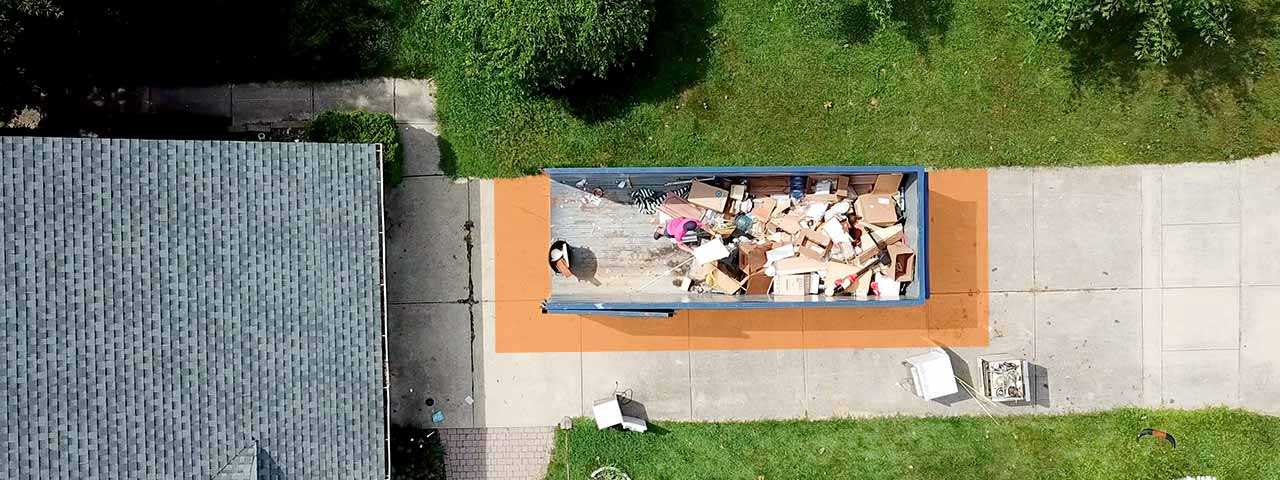
Make cleanup a breeze with a roll off dumpster:

Key Takeaways
- What Is an MRF: MRFs act as critical sorting centers that transform raw, mixed waste into high-quality raw materials ready for manufacturers to reuse.
- Two Types of MRFs: Clean MRFs process sorted recyclables from blue bins, while dirty MRFs pull salvageable materials like metal or cardboard directly from standard trash.
- How MRFs Work: These facilities use advanced technology, including magnets, optical scanners and air classifiers, alongside manual labor to divert as much waste as possible from landfills.
Materials Recovery Facility: The Engine of the Recycling Industry
MRFs are specialized plants that receive, separate and prepare recyclable materials for end markets, like recycling plastic bottles into polyester clothing. Any leftover residual waste that can’t be recycled is then efficiently consolidated for landfill disposal.
What’s the Main Purpose of an MRF?
Unlike a standard landfill, which simply stores waste, an MRF functions as a processing center designed to drive the circular economy, an economic system created to eliminate waste and recirculate materials. By extracting value from commingled waste loads, these facilities prevent high-grade materials from being lost to a landfill.

How Do MRFs Work?
The waste disposal journey begins on the tipping floor, where trucks unload mixed debris for its first inspection. From there, a combination of heavy machinery and manual labor moves the material through a multi-stage sorting process.
Modern facilities integrate advanced technology to ensure high purity levels in their final bales:
Optical Sorters
These use infrared sensors to identify and separate different resin types of plastic.
Magnetic Separation
Powerful magnets pull ferrous metals, like steel, away from the waste stream.
Eddy Current Separators
These create temporary magnetic fields to repel non-ferrous metals, like aluminum cans, into separate bins.
While machines handle the bulk of the work, quality control staff remain essential. These workers manually remove contamination, such as plastic bags or hazardous items, that could damage equipment or ruin the purity of the sorted goods.
Order a Dumpster Online
Shopping after hours? Too busy to make another call? Book the dumpster you need, when you need it. Order your dumpster online 24/7.
What Materials Are Recovered at MRFs?
MRFs are designed to handle high volumes of everyday recyclable materials, using balers to pack it all into tight bales that are easy to ship off to manufacturers. To ensure materials are sellable, MRFs must meet strict bale specifications, which dictate the allowed level of moisture and non-target materials in a finished bundle of cardboard or plastic.

Common materials recovered at an MRF include:
- Paper & cardboard: Facilities prioritize old corrugated containers and mixed paper, which are flattened and baled for paper mills.
- Plastics: Using optical sorters, the facility separates plastics by resin type, specifically targeting PET (soda bottles) and HDPE (milk jugs). Post-consumer resin, which creates sustainable packaging, is another high-demand material.
- Metals: Steel and aluminum are among the most valuable materials recovered due to their ability to be recycled indefinitely.
- Glass: While valuable, glass presents challenges due to breakage and the need for color-specific sorting.
What Are the Two Types of MRFs?
Not all processing centers handle the same type of waste loads. The efficiency of a facility depends heavily on how the waste was collected before it arrived. There are two main types of MRFs:
Clean MRFs
These process single-stream recycling, where users have already pre-sorted recyclables into a blue bin. More than 90% of materials are recovered and resold.
Dirty MRFs
These facilities accept raw municipal solid waste (MSW) and attempt to pull recyclables out of general trash. Only 5% to 45% of materials are recovered.

MRF Comparison Guide [Table]
Clean MRF | Dirty MRF | |
|---|---|---|
Waste Source | Recycling bin (plastic, metal, glass and paper/cardboard) | Trash bin (MSW) |
Recovery Rate | High efficiency for sorted goods | Lower; captures missed recyclables |
Contamination Risk | Moderate (wishcycling, such as tossing plastic bags that can’t be recycled) | High (food/liquid damage) |
Primary Goal | Material purity | Landfill diversion |
Why MRFs Matter to Your Business and the Environment
Using a facility that prioritizes material recovery isn't just a green initiative — it’s a smart business strategy.
- For contractors, the primary value of an MRF is the waste diversion rate, which is a key metric for LEED certification.
- MRFs drive significant economic impact by creating a local supply of recovered materials for end markets.
- MRFs significantly lower a project’s overall greenhouse gas emissions by reducing the need for resource manufacturing through recycling.
- MRFs also preserve the embodied energy of materials (total energy consumed during extraction and manufacturing), making it far more efficient than producing goods from scratch.
Choosing a disposal partner that leverages MRF technology ensures your waste is treated as a resource rather than a liability.
Frequently Asked Questions (FAQs) About MRFs
What’s the difference between an MRF and a transfer station?
A transfer station is a temporary holding site where waste is consolidated before being moved to a final destination. An MRF is a processing plant where the waste is actually sorted and transformed into reusable materials.
How does single-stream recycling affect MRF efficiency?
Single-stream collection increases recycling volume but makes sorting harder. Tossing everything into one bin leads to higher contamination from food or trash, which requires MRFs to use more labor and advanced tech to produce clean, high-value bales.
What’s "wishcycling" and why is it a problem?
Wishcycling happens when you put non-recyclable items into a recycling bin hoping they will be recycled. This leads to contamination, which can damage MRF machinery and cause entire loads of good recyclables to be sent to the landfill.
Can MRFs process construction and demolition (C&D) waste?
Some specialized MRFs are built specifically for C&D debris, such as concrete, wood and metal. Standard clean MRFs usually can’t handle heavy construction materials.
What happens to the materials after they leave the MRF?
Sorted and baled materials are sold to end markets to be manufactured into new products. Your cardboard might go to a mill for new boxes, while plastics are sent to processors to become fleece or plastic lumber, completing the circular economy loop.
Will my dumpster rental go to an MRF?
It depends on the contents of your load and local regulations. Many mixed-waste dumpsters are taken to dirty MRFs to ensure that any salvageable metal or cardboard is diverted from the landfill.
Streamlining Your Waste Strategy
Understanding the MRF process allows you to segregate waste more effectively at the source, ensuring higher recovery rates and lower costs for your project. When you prioritize material purity, you contribute directly to a more sustainable, circular economy.
Glossary Term Index
Clean Fill | Clean Load | Construction Recycling | Landfill
LEED Certification | Materials Recovery Facility (MRF) | Recycling | Single-Stream Recycling
Source Separation
Next Up


