
A Practical Guide to Waste Types for Dumpster Rentals
Understanding waste types is key to renting the right dumpster. Learn which materials are accepted, what’s restricted, how waste impacts pricing and how to choose the best dumpster size.
Make cleanup a breeze with a roll off dumpster:

Why Waste Type Matters When Renting a Dumpster
Waste type matters when renting a dumpster because it affects what you’re allowed to throw away, how much you’ll pay and how the waste must be handled after pickup.
How do Dumpster Companies Classify Waste?
Dumpster companies classify waste based on material type, disposal requirements and weight, which helps determine pricing, handling and where the waste can be taken.
What ‘Waste Type’ Means in Dumpster Rentals
For dumpsters, waste type refers to the kind of material you’re throwing away and how it must be handled, priced and disposed of.
Dumpster companies use waste type to determine:
- What’s allowed in the dumpster: Some materials are accepted in standard rentals, while others are restricted or prohibited due to safety or environmental rules.
- How much the rental costs: Heavier or regulated waste types often cost more because of disposal fees and weight limits.
- Which dumpster you need: Certain waste types require specific dumpster sizes or containers to avoid overloading.
- Where the waste goes after pickup: Different materials are sent to landfills, recycling centers or specialty facilities.
Common dumpster waste types include municipal solid waste (MSW), construction and demolition (C&D) debris, heavy materials, yard waste and recyclables.
Clean Load vs. Mixed Waste: What’s the Difference?
The difference between a clean load and mixed waste comes down to how many material types are in the dumpster and how the waste is processed after pickup.
Clean Load
A clean load contains one specific type of debris, such as:
- Concrete or asphalt
- Cardboard
- Scrap metal
- Yard waste
Because the materials don’t need to be sorted, clean loads are often easier to recycle and may qualify for lower disposal fees in some areas. Recyclable materials are often prioritized for clean loads because they’re easier to process at a specialized facility.
Mixed Waste
Mixed waste includes multiple material types combined in one dumpster, such as:
- Wood, drywall and flooring from a remodel
- Household junk mixed with construction debris
Since mixed waste must be sorted at a transfer station or material recovery facility (MRF), it typically comes with higher disposal costs and fewer recycling options.
How Waste Type Impacts Cost and Logistics
What you toss in the dumpster can change the price and how everything’s handled. Heavier or harder-to-dispose items can cost more, and some materials need special processing. Waste type also determines where the dumpster goes after pickup and how quickly it can be turned around.
Order a Dumpster Online
Shopping after hours? Too busy to make another call? Book the dumpster you need, when you need it. Order your dumpster online 24/7.
Residential Dumpster Waste Types
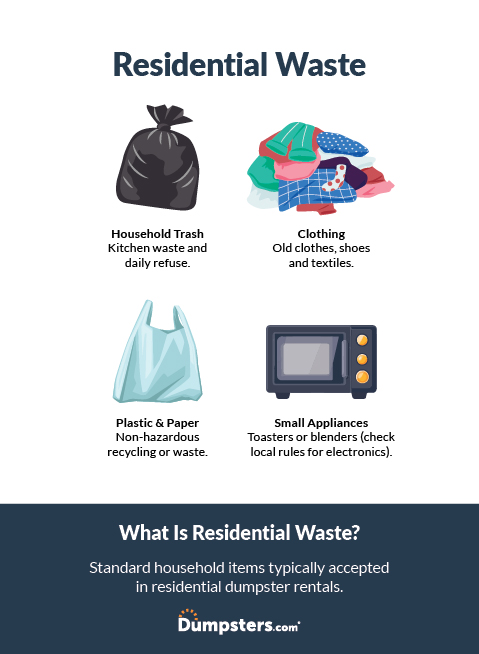
Household and General Residential Waste
Household and general residential waste includes everyday items commonly thrown away during home cleanouts, moves or small projects. Often referred to as residential waste or MSW, this category covers non-hazardous materials typically accepted in standard dumpsters.
Non-hazardous waste examples include:
- Pots and pans
- Clothing
- Old toys
Residential Waste [Infographic]
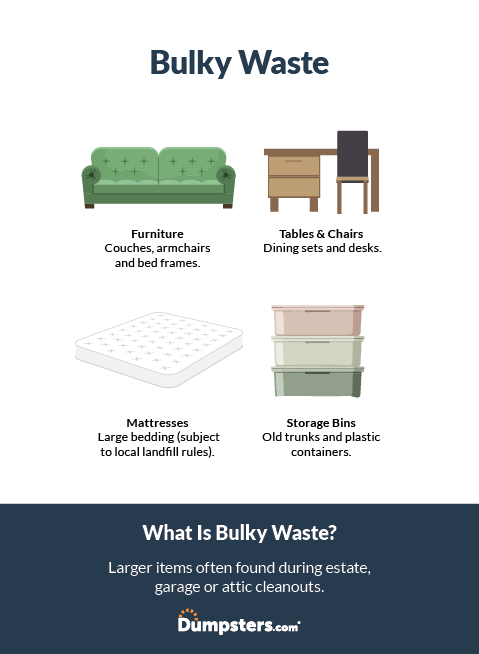
Cleanout and Decluttering Waste
Cleanout and decluttering waste comes from projects where large volumes of unwanted items are removed at once. Often associated with cleanout projects and bulky waste, this category is common when clearing out entire spaces or properties.
Examples include:
Bulky Waste [Infographic]
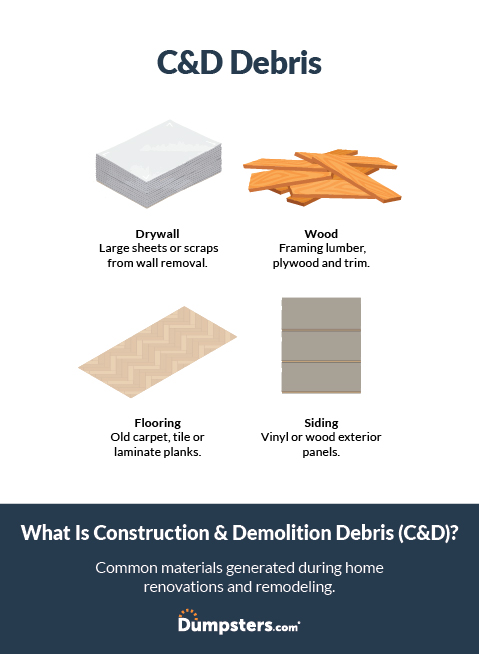
Construction and Remodeling Waste Types
C&D Debris [Infographic]
Roofing and Exterior Materials
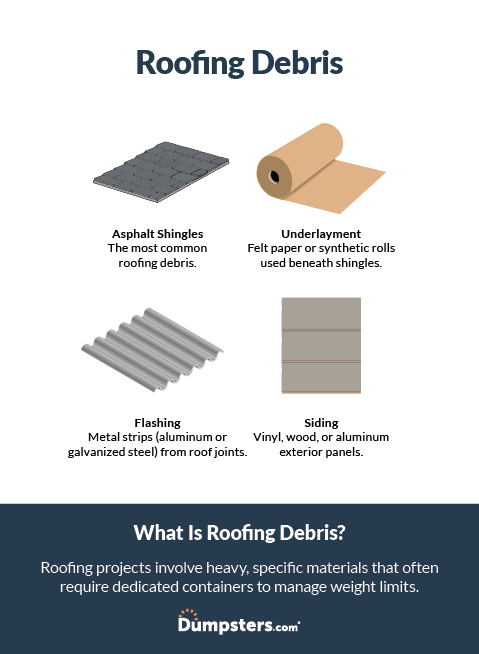
Roofing and exterior materials include debris from roof repairs or exterior renovations, such as roofing shingles and other heavy construction materials. These materials are much heavier than typical household or construction waste, which means they can reach dumpster weight limits quickly. It’s important to choose the right container size — typically a 10 yard dumpster — and type to handle the load safely and avoid extra fees.
Common materials include:
- Roofing debris
- Shingles
Key considerations:
- These materials are heavy and dense
- Always check weight limits before renting a dumpster
- Choosing the right dumpster size prevents overloading and extra charges
Roofing Debris [Infographic]
Heavy Debris and Inert Waste
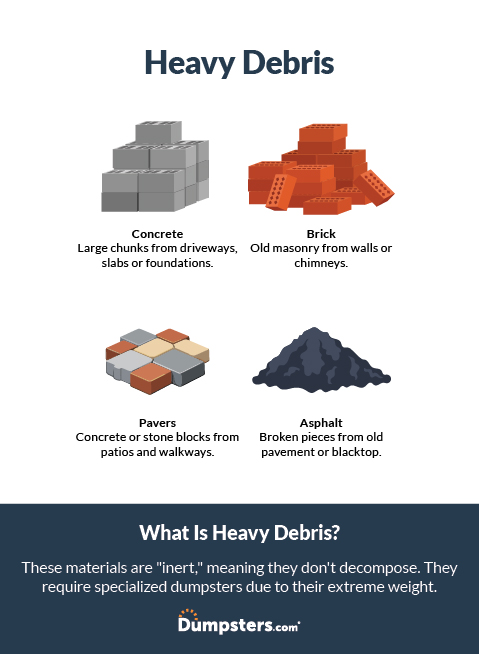
Heavy debris and inert materials come from construction or demolition projects and include extremely dense items. These loads are much heavier than typical waste, so they require special dumpsters and careful planning to stay within strict weight limits.
Common materials include:
Key considerations:
- Extremely heavy materials
- Use dumpsters designed for dense loads
- Follow weight limits to avoid extra fees
Heavy Debris [Infographic]
Yard, Landscaping and Organic Waste
Yard Waste and Green Debris
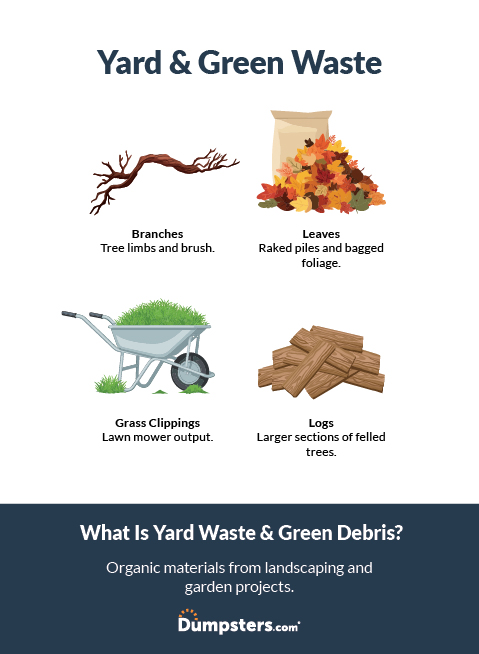
Yard waste and green debris include organic materials from landscaping, gardening or property maintenance. This type of waste is generally lighter than construction debris but may require separate handling for composting or recycling.
Common materials include:
- Branches
- Leaves
- Grass clippings
Key considerations:
- Typically organic and biodegradable
- May need to be separated from other waste
- Often accepted in specialized yard waste dumpsters
Yard & Green Waste [Infographic]
Mixed Yard and Project Waste
Mixed yard and project waste includes a combination of organic materials and other debris from home projects or landscaping. This type of waste is considered mixed waste and may have different handling requirements depending on local regulations.
Guidance:
- When mixing is allowed: Small home projects where yard debris and non-hazardous project waste are combined, if the landfill or facility accepts it.
- When separation is required: Heavier construction materials or large volumes of recyclables should be kept separate from organic yard waste to meet disposal rules and recycling guidelines.
Prohibited and Restricted Dumpster Waste
Regulated and Hazardous Waste
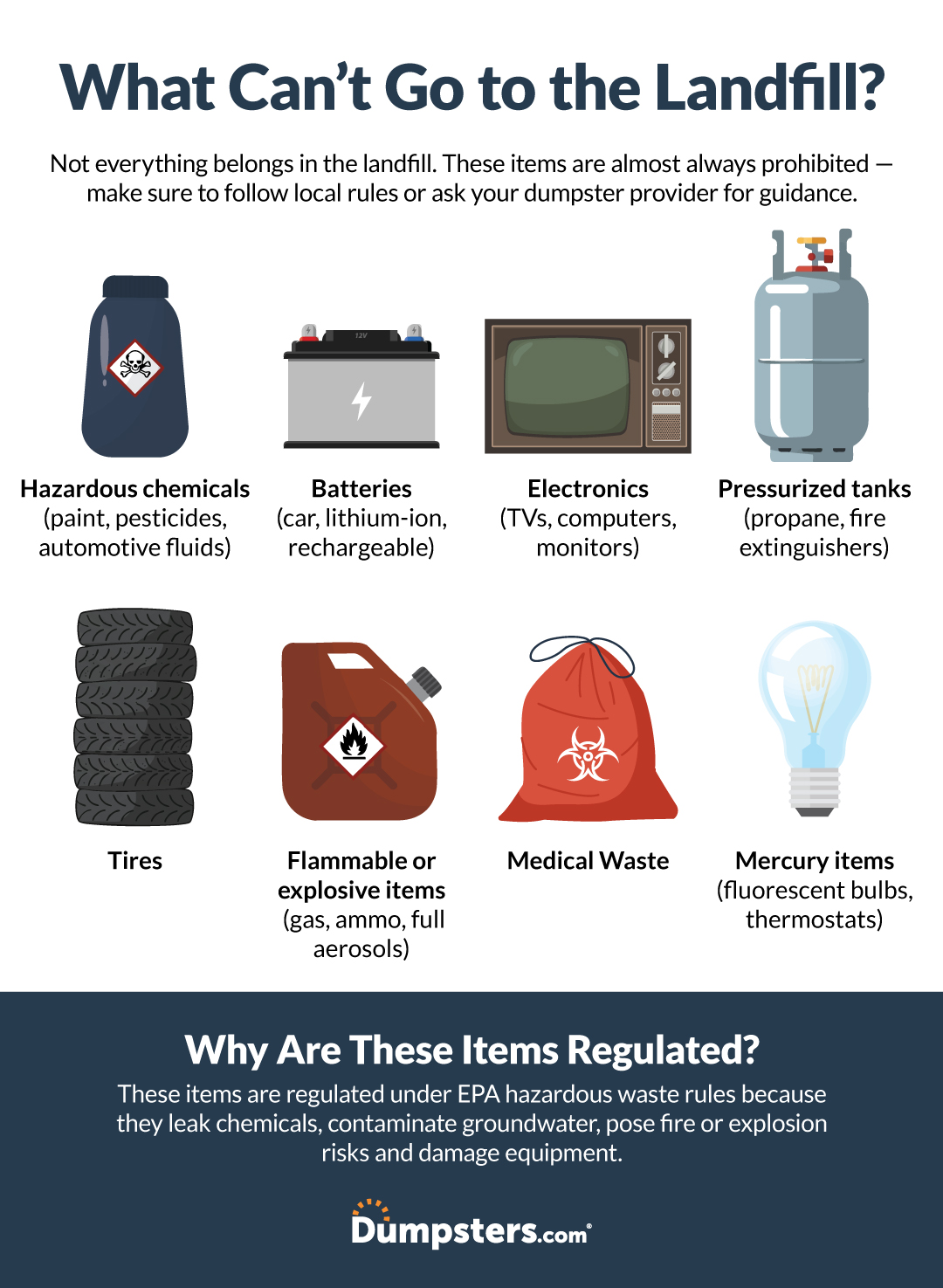
Regulated and hazardous waste includes materials that are dangerous to handle or dispose of and are subject to federal, state and local regulations. These items can’t be placed in standard dumpsters and require specialized disposal methods. Liquid waste (such as wet paint, oils or chemicals) is a primary reason for dumpster prohibitions because liquids can leak and contaminate groundwater.
Common materials include:
- Paint
- Chemicals
- Asbestos
Key considerations:
- Must follow all safety and disposal regulations
- Requires specialized containers and handling
- Often can’t be mixed with standard or clean load waste
What Can't I Throw Away? [Infographic]
Items That Require Special Disposal
Some materials can’t go in a standard dumpster and need special handling to meet safety and environmental regulations. These items often require designated facilities or professional services for proper disposal.
Common materials include:
- Electronics (e-waste)
- Batteries
- Propane tanks
- Medical waste
Key considerations:
- Follow local disposal rules for each item
- May require separate pickup or drop-off
- Improper disposal can result in fines or environmental hazards
Regulatory Considerations for Waste Types
Understanding waste regulations is essential when renting a dumpster, as rules vary by location and waste type. Proper compliance helps ensure safe disposal, avoids fines and keeps projects on schedule.
Regulated and Hazardous Waste
Certain waste types — especially hazardous or regulated materials — are subject to federal and state regulations. Key agencies and regulations include:
- U.S. Environmental Protection Agency (EPA): Oversees environmental compliance and safe handling of hazardous waste.
- Resource Conservation and Recovery Act (RCRA): Federal law governing the generation, transport and disposal of solid and hazardous waste.
- Occupational Safety and Health Administration (OSHA): Sets workplace safety standards for handling and disposing of dangerous materials.
- U.S. Department of Transportation (DOT): Regulates the transport of hazardous waste to ensure safety during shipping.
Compliance may require specialized containers, documentation or licensed disposal services to meet these federal and state standards.
Local Disposal Rules and Landfill Policies
Local governments and landfills also enforce their own rules to manage waste safely. Your local Solid Waste Authority sets local disposal guidelines, weight limits and restrictions for different waste types.
Some materials may be prohibited, require separation or need specific container types. Checking local rules before renting a dumpster ensures your waste is accepted and helps avoid extra fees or rejected pickups.
Choosing the Right Dumpster for Your Waste Type
Picking the right dumpster for your project starts with understanding the type of waste you’ll be disposing of. The right match helps control costs, ensures safe disposal and makes your cleanup project smoother.
Matching Waste Type to Dumpster Size
Different waste types have different weights and volumes, so the dumpster size you need depends on both what you’re throwing away and how much of it there is. For example:
- Household or cleanout waste: Usually lighter and can fit in standard 10 to 20 yard dumpsters.
- Construction debris or heavy materials: Denser loads like concrete, roofing shingles or brick may require smaller dumpsters with lower weight limits.
- Yard waste: Bulkier but lighter, often handled in larger containers for volume rather than weight.
Sometimes the right dumpster is actually more than one dumpster, especially if you're a contractor or construction company. Selecting the right size helps avoid overloading, extra fees or multiple pickups.
When to Ask for Help
If you’re unsure about what can go in a dumpster or how to handle certain waste types, it’s best to ask your dumpster rental company. They can:
- Recommend the right dumpster size and type
- Explain local disposal rules and restrictions
- Advise on special handling for hazardous or regulated materials
Getting guidance upfront saves time, prevents fines and ensures your project stays on track.
First time renting?
Get tips on everything from dumpster size to driveway placement in our guide.
Dispose of Waste Correctly and Confidently
Proper disposal starts with knowing your waste type and following the right rules. By understanding what materials can go in a dumpster, choosing the correct container and following local, state and federal regulations, you can keep your project safe, efficient and environmentally responsible.
Tips for confident disposal:
- Separate materials when required to meet recycling or landfill rules.
- Use the right dumpster size and type for your project.
- Ask your rental company for guidance on hazardous or special waste.
- Follow all federal, state and local regulations to avoid fines and ensure safe handling.
With the right preparation, disposing of waste can be simple, stress-free and responsible.
Glossary Term Index
Accepted Materials | Bulk Waste | Construction Recycling | Dumpster
Dumpster Bag | Electronic Waste (E-waste) | Environmental Regulations | Green Waste
Hazardous Waste | Heavy Debris | Mixed Waste | Prohibited Items
Restricted Materials | Roll Off Dumpster | Scrap Metal | Yard Waste
Next Up


