
What Affects Dumpster Rental Costs?
Dumpster rental prices don’t have to be a mystery — a few simple details make all the difference. When you understand what affects cost, you can pick the right container and get your project done efficiently and for the best price.
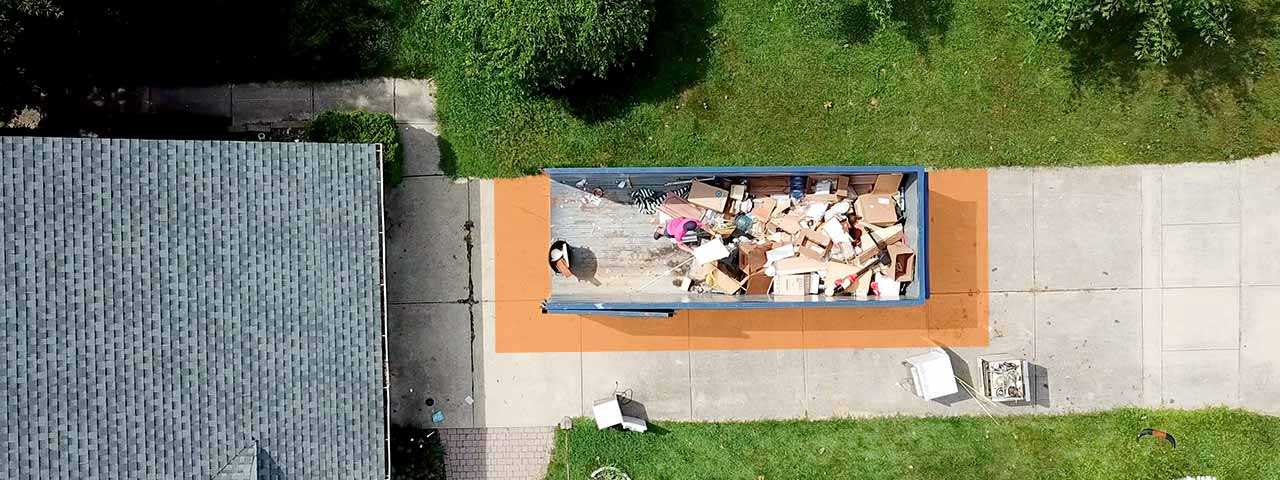
Make cleanup a breeze with a roll off dumpster:

Why Do Dumpster Rental Prices Vary?
Renting a dumpster should be simple — pick a dumpster size, schedule delivery, fill it up and schedule a pickup. But anyone comparing quotes quickly learns that prices vary widely. Why does a 20 yard container cost one price in one city and something completely different a few miles away? And what's the real price of renting a dumpster once all fees are factored in?
The answer lies in how the dumpster rental pricing model works. Some dumpster rentals come with an initial flat-rate price that covers delivery, pickup, a standard rental period, disposal and a built-in tonnage cap. But other providers charge separately for each piece, driving up prices after the initial quote. Meanwhile, factors like waste type, location, debris weight and local rules also affect your final cost.
Understanding these factors helps you compare companies fairly, avoid hidden fees and choose the best option for your project. Here’s a deeper look at what shapes the cost of a dumpster rental and why prices vary so much from one job to the next.
Dumpster Rental Prices by Size
Roll off dumpster prices typically range from $306 to $1,583 based on container size and weight limits. Your final price depends on your location, dumpster size, debris type, debris weight and rental period.
Container | Average Price Range | Average Dumpster Cost |
|---|---|---|
$329- $1,307 | $582 | |
$306- $1,334 | $600 | |
$374- $1,362 | $672 | |
$450- $1,460 | $801 | |
$512 - $1,583 | $891 |
5 Factors That Affect Dumpster Rental Costs
1. Debris Type
The first thing many dumpster rental companies ask is, “What kind of debris are you throwing away?” The answer to that question influences your price more than you might expect. Different materials come with different environmental requirements and sorting needs, which is why dumpsters for a home renovation project may differ in cost from dumpsters for yard cleanup or a small demolition job.
Landfills and transfer stations classify debris into categories like household junk, construction and demolition (C&D) debris, yard waste, roofing material or clean concrete. Each has its own disposal rules:
- Heavier debris costs more. Construction materials like concrete, brick, roofing shingles and tile fall into the “heavy waste” category. These materials require more processing, create more equipment wear and use more fuel to haul. And since landfills charge by the ton, heavier debris costs more to get rid of — a dumpster full of concrete weighs far more than the same container filled with household junk, pushing you toward or past your weight limit faster.
- Certain materials require special handling. Mattresses, appliances, large tree stumps and electronics often need to be processed separately, which can trigger a small additional disposal fee based on local regulations.
This is why prices aren’t simply “one size fits all.” Your waste type influences your quote because the disposal facility charges the dumpster company accordingly.
2. Debris Weight and Overage Fees
Your dumpster price also hinges on how much your debris weighs. Every dumpster rental includes an upfront weight limit, often ranging from 1 to 5 tons depending on the dumpster size. When the dumpster is hauled away, it's driven across certified landfill scales that measure its exact tonnage.
If the load exceeds your included weight limit, the landfill charges the hauler for the additional weight — and that cost becomes an overage fee on your invoice. Overage fees are prorated per ton and vary by region.
Understanding dumpster weight limits and overage charges is especially important if you’re dealing with heavy materials. A partially filled 20 yard dumpster containing tile or dirt easily weighs more than a fully loaded container of drywall or household junk.
It’s common for renters to look at volume instead of weight, only to be surprised later. Choosing the right size based on your project's weight — not just space — is the easiest way to avoid unnecessary fees.

Pro Tip
Watch the weight, not just the fill line — a dumpster that’s only part full can still exceed your weight limit if your debris is heavy.
3. Rental Duration
Your rental period also plays a role in your overall price. At Dumpsters.com, the standard rental period is seven to 10 days in a flat-rate package, with shorter time frames in select areas.
In some markets, short-term rentals are standard because disposal sites have limited capacity or local demand is high. Other markets offer longer rental periods because trucks and facilities have more availability. Providers structure their pricing accordingly.
Many people ask, “If I only keep my dumpster rental for two days, can I pay less?” In most cases, a shorter rental period doesn’t reduce your costs. Dumpsters are rarely rented by the day, and a set rental period is included in your base price.
However, if your project runs long, you may be able to extend your rental for a flat daily rate. Extra days are typically affordable, but they do add up. Planning ahead keeps your project on schedule and helps you avoid unexpected extra days.
4. Location and Delivery Distance
Location is one of the most overlooked parts of dumpster pricing, but it’s also one of the most important. When people ask, “How does my location affect dumpster prices near me?” the answer usually comes down to three things: disposal fees, fuel and distance.
- Disposal fees vary by region. Cities with high landfill taxes or limited landfill space tend to have higher base rates. Meanwhile, rural areas often have lower tipping fees but higher travel costs.
- Fuel surcharges may apply. Some providers apply a fuel surcharge when diesel prices rise or when the driver has to travel long distances between your jobsite and the landfill.
- Service area and access affect pricing. Delivering a dumpster inside a dense urban area is often more expensive due to tight alleys, limited parking and stricter local rules. Rural deliveries are often less expensive than in major metropolitan areas, but extra costs may apply due to travel time. Your local municipality may also require specific permits or limit where you can place your dumpster, which impacts scheduling and cost.
5. Permits
Many residential customers don’t need a dumpster permit because they keep their roll off dumpster on private property, like a driveway. But if you plan to keep the container on a public street, alley or right-of-way, your city may require one.
Municipalities set their own permit requirements and pricing. Many allow you to get a permit via a quick online form, but others require several days of notice or an inspection. Skipping the permit when it’s required can delay delivery or result in fines — neither of which keeps your project on schedule.
Permits don’t directly increase the dumpster company’s fees, but they do increase your total cost for the rental. This is why so many customers ask, “Do I need a permit for a dumpster on the street?” — and the answer depends entirely on your city’s rules.
Dumpster permits typically cost between $20 and $150, though fees are often higher in large cities — and some places don’t charge anything at all. Because rules and rates vary, it’s always smart to check with your city or county before renting a dumpster.
Order a Dumpster Online
Shopping after hours? Too busy to make another call? Book the dumpster you need, when you need it. Order your dumpster online 24/7.
What Is Flat-Rate Pricing for Dumpster Rentals?
Many customers prefer flat-rate pricing because it keeps your cleanup budget simple. With a flat-rate dumpster rental, your quote typically includes:
- Delivery
- Pickup
- A standard rental period
- Disposal costs
- Weight limit
This approach makes budgeting simple and lets you compare quotes with confidence. You’ll know the full initial cost upfront — including whether disposal fees are already built in — so there are no surprises when the dumpster is picked up. If your debris exceeds the included weight or you place restricted items in the dumpster, you’ll pay a clear, pro-rated fee for the additional weight or item disposal.
Some providers, however, use a variable pricing model. In this setup, fees for fuel, disposal and tonnage may not be calculated until after your dumpster is hauled away. This makes your final invoice significantly different from the original quote, making it difficult to plan your costs from the start. By understanding how roll off dumpster rental contracts are structured, you can pick the option that best fits your project size, timeline and budget — and avoid unexpected costs along the way.
Why Are Dumpsters so Expensive?
At first glance, dumpster rentals seem costly — but the price reflects the true cost of safely collecting, transporting and disposing of waste. Behind every dumpster rental is a complex system that most people don’t see, ensuring debris is handled responsibly and in compliance with regulations. Each rental helps cover essential aspects of the waste management process, including:
- Highly regulated waste transport: Specialized equipment and trained drivers are required to move waste safely from your work area to the proper facilities.
- Commercial truck insurance and maintenance: Trucks are expensive to operate, maintain and insure, protecting both the company and the public.
- Landfill access fees (tipping fees): Dumpsters ultimately end up at landfills or recycling centers, which charge fees to accept and process waste.
- Sorting and recycling operations: Materials must be sorted for recycling whenever possible, reducing environmental impact and diverting debris from landfills.
- Labor for drivers, schedulers and customer service: Coordinating deliveries, pickups and customer support requires skilled staff working behind the scenes.
- Compliance with local environmental and safety regulations: Companies must follow strict rules to protect communities and the environment, adding administrative and operational costs.
All of these expenses are built into the pricing model, so every piece of debris can be disposed of safely, responsibly and legally. Understanding these factors helps explain why dumpster rentals cost what they do — it’s not just a container; it’s a complete waste management service.
Wondering what a dumpster rental costs in your area?
Get a Price and Place Your Order Give Us a Call: 833-499-7510
Reasons Your Dumpster Rental Might Cost More Than Expected
Even with the main pricing factors in mind, there are a few less obvious details that can affect your total dumpster rental cost.
Delivery Conditions
Placement challenges — blocked driveways, low branches, narrow alleys or soft ground — may prevent the driver from safely dropping off or positioning your container. When this happens, the driver must return later, leading to a trip fee. Choosing a flat, paved area for drop-off and preparing the delivery area ahead of time helps keep your project moving smoothly.
Prohibited or Restricted Items
Every dumpster has rules about prohibited items. Hazardous waste, chemicals, fuels and certain electronics cannot go in a roll off container. Other materials may be allowed, but they sometimes require special processing, leading to added disposal fees or a contamination fee depending on your local market. This includes items like:
- Mattresses
- Certain appliances
- Medical waste
- Car tires
Weight Overages or Overfilled Loads
When it comes to dumpster rentals, there’s an important distinction between overfilling and exceeding the weight limit — and both lead to extra fees.
- Overfilled loads extend above your dumpster’s fill line, which is unsafe for transport and can result in fines or refusal of pickup.
- Overweight loads occur when the total debris weight exceeds the included tonnage, even if the dumpster isn’t filled past the fill line. Dense materials like brick, concrete or dirt can cause overage fees even if your dumpster doesn’t look “full.”
Both situations can add costs, but they’re separate issues. Understanding the difference and selecting the right dumpster size and weight limit for your debris type is the best way to avoid these unexpected charges. Here’s a quick illustration:
Common Dumpster Overfill and Overweight Scenarios
Scenario | What It Means | Example | Potential Additional Fees |
|---|---|---|---|
Overfilled load | Debris extends above the fill line, sticks out the top of the dumpster or hangs over the sides | 10 yard dumpster packed with furniture stacked above the sidewalls | Overloading fee, trip fee, plus the cost of an additional dumpster, if needed |
Overweight load | Debris is below fill line but exceeds weight limit | 10 yard dumpster partially full of concrete or brick | It’s OK to go over the weight limit if you need to, but you’ll receive a pro-rated, per-ton overage fee |
Overfilled & overweight load | Dumpster exceeds fill line and weight limit | 10 yard dumpster packed with heavy construction debris above the sidewalls | Overloading fee, trip fee, overage fee, plus the cost of an additional dumpster, if needed |
Pro Tip
Staying below the fill line doesn’t guarantee you’re under the dumpster’s weight limit. Always consider what materials you’re tossing — heavy debris can quickly exceed your included tonnage, even if the dumpster is only partially full. Choosing the right roll off dumpster size and knowing your debris type helps you avoid surprises.
Rental Extensions
If your project takes longer than expected, some dumpster rental companies allow you to extend your rental period for a flat daily rate or other cost. This flexibility is especially helpful during home renovations, multi-stage cleanouts or landscaping projects that take more time than initially planned.
Planning your project timeline carefully helps you minimize extension charges. Knowing your expected schedule and communicating with your dumpster rental provider in advance ensures your dumpster stays on-site as long as you need it.
Difficult Pickups
Dumpster pickups may cost more when access is difficult. If the dumpster is blocked by parked cars, landscaping, snow, mud or other obstacles, the driver may need extra time, equipment or assistance to safely remove it. Keeping the area around your dumpster clear and accessible ensures a smooth pickup, helps the driver work safely and can prevent additional fees.
How to Keep Your Dumpster Rental Costs Down
Keeping your dumpster rental affordable comes down to a few simple choices. With a little planning before delivery and some smart habits during your cleanup, you can avoid unnecessary fees and make the most of the space and weight you’re paying for.
- Choose the right dumpster size: Selecting a dumpster that’s too small may result in overage fees or require multiple containers, while a dumpster that’s too large can leave you paying for unused space. Consider your project type and volume of debris carefully — and reach out to your dumpster rental company for a personalized recommendation.
- Estimate debris weight realistically: Heavy materials like concrete, brick, dirt or tile can quickly exceed your container’s weight limit even if the dumpster isn’t full. Knowing the type and weight of your debris upfront helps you select the appropriate tonnage and avoid overage fees.
- Keep prohibited items out: Items like tires, appliances with Freon, hazardous chemicals or electronics can trigger extra charges or prevent disposal entirely. Check your rental company’s prohibited items list and sort your debris ahead of time.
- Plan your project timeline: Sticking to your rental period prevents extra daily extension fees. If your project may run long, discuss extension options with your provider in advance to keep costs predictable.
- Secure permits in advance if needed: Some cities require a dumpster permit for street or, less commonly, driveway placement. Obtaining the permit beforehand helps you avoid fines or rescheduling fees.
- Cover the dumpster when necessary: Using a tarp or cover helps prevent illegal dumping, rainwater accumulation or debris blown in by wind, all of which can increase the weight and result in extra charges.
- Share a dumpster when possible: During seasonal cleanouts or neighborhood projects, sharing a dumpster with a neighbor helps reduce costs while maximizing space. Just make sure you agree on what’s going in the dumpster and how much each household plans to toss so the rental runs smoothly.
Even small choices like these can make a significant difference in your total dumpster rental cost. Being proactive not only helps you stay on budget but also ensures your debris is disposed of responsibly.
Dumpster Rental Cost FAQs
Saving Money & Avoiding Surprise Charges
How can I lower the overall cost of my dumpster rental?
You can keep your total cost down by:
- Choosing the right dumpster size
- Sticking to accepted debris and staying within your dumpster’s weight limit
- Planning your project timeline, which helps you avoid extra days beyond your rental period
- Placing the dumpster in your driveway instead of the street, which typically helps you skip permit fees
- Sharing a dumpster if you're working at the same time as a neighbor — just agree on what each of you will be tossing so you stay within the rental terms
Is it cheaper to rent a dumpster from a local company versus a national chain?
Pricing can vary whether you choose a local or national dumpster rental company. Local haulers may offer lower rates in smaller markets, while national providers often bundle more services into one flat price, like delivery, pickup, disposal fees and a set rental period.
If the national company works with multiple haulers, they can also compare options behind the scenes to find the most competitive rate for your project. The best approach is to compare the total cost, not just the initial base rate — including weight limits, disposal costs, extra fees, distance and fuel charges and any seasonal price swings in your area.
Do dumpster companies charge by fill, by weight or have hidden fees (e.g., holidays, rainwater)?
It depends on the pricing model. Flat-rate pricing bundles delivery, pickup, disposal and a weight limit into one upfront price — you only pay extra if you exceed your included weight or rental period. Variable pricing separates these charges, so your final bill after pickup can be significantly higher than your initial quote. Common causes of extra fees include weight overages (typically $50 to $250 per ton), overfilling above the dumpster’s fill line, tossing prohibited items, blocked pickup access and weather-related weight from rain or snow. Cover your dumpster with a tarp to avoid paying for water weight.
Are there discounts available for long-term dumpster rentals (e.g., a month or more)?
Yes. Some companies offer discounted monthly rates or special pricing for ongoing projects such as renovations, landscaping, home additions or multi-week cleanouts. Long-term rentals may include periodic swaps or scheduled hauls at a reduced per-trip cost. If your project timeline is long, it’s worth asking about extended-use pricing before you rent a dumpster.
What’s the real price of renting a dumpster?
The real cost depends on the dumpster size, rental period, weight of your debris and any extra fees. Some companies offer a flat-rate price that includes your dumpster, rental period, disposal costs and a preset weight limit, but additional charges may apply for overloaded debris, prohibited items or extended rentals.
How do I avoid hidden dumpster rental fees?
To avoid surprise costs:
- Choose a flat-rate dumpster rental when possible
- Know your debris type and weight
- Avoid tossing prohibited items
- Cover your dumpster in rain or snow
- Plan your placement to avoid a trip fee
What is a trip fee and how do I avoid it?
A trip fee is charged if the dumpster can’t be delivered or picked up on the first attempt, often due to blocked access. Ensure your placement area is clear and accessible to avoid extra trips.
Are there fuel surcharges on my final invoice?
Some companies add fuel surcharges, especially if your location is far from disposal sites. Flat-rate dumpster rentals often include fuel costs, but companies using variable pricing may bill them separately.
How can I save money on a dumpster rental?
You can save money on a dumpster rental by choosing the right size based on both debris volume and weight, since heavy materials can exceed weight limits even if the dumpster isn’t full. Avoid extra fees by keeping prohibited or special-handling items out, sticking to your included rental period, and securing any required dumpster permits in advance. Simple steps like covering the dumpster to prevent rainwater collection or illegal dumping can also help you avoid surprise charges and keep costs down.
Dumpster Size, Rental Terms & Pricing
What's the cost difference between renting one large dumpster versus two smaller ones?
One larger dumpster is typically cheaper than renting two smaller containers. You’ll pay for one delivery, one pickup and one set of disposal fees instead of doubling those costs. Two smaller dumpsters might make sense if you’re tossing heavy debris or completing work across different areas of your property or jobsite.
Are there cost benefits to choosing a smaller dumpster over larger options?
A smaller dumpster can save money if it’s the right size for your project. But going too small often leads to overage fees or needing a second container — both of which may cost more than simply choosing the correct size upfront. When in doubt, estimate your debris volume and weight as accurately as possible or ask for a dumpster size recommendation based on your materials.
Is there a difference in cost between 10, 20 and 30 yard dumpsters by region?
Yes. Dumpster size and location work together to determine your total cost. Urban areas and parts of the coasts tend to have higher disposal fees and fuel costs, which raises prices across all sizes. In general, 10 yard dumpsters cost less than 20 or 30 yard bins, but the exact price depends on local landfill rates, haul distance and what you plan to throw away.
Do some companies allow reuse of the same dumpster or do they charge per haul?
Most providers charge per haul because each trip covers driver time, fuel and landfill fees. Some companies, like Dumpsters.com, offer empty-and-return service, which lets you swap out your full container for an empty one. Each exchange is billed as its own rental, but it’s a great way to keep your project moving quickly.
What are the typical costs for extending a dumpster rental beyond the initial period?
Extensions are usually billed as a flat daily rate. The rate varies by company and region — often between $15 and $50 per additional day — and is added to your final invoice.
Why are there different pricing models for roll off containers?
Dumpster pricing can be flat-rate or variable. Flat-rate pricing includes your container, rental period, disposal costs and weight allowance in one upfront cost, while variable pricing bills separately for disposal, fuel and extra fees. Knowing the model helps you predict your final cost.
How does the price of a dumpster rental change based on its size and the rental period?
Dumpster rental prices generally increase with the size of the container, since larger dumpsters hold more debris and come with higher included weight limits. A 10 yard dumpster usually costs less than a 30 or 40 yard dumpster, which can handle bigger projects. Most dumpster rentals include a standard rental period — often seven to 10 days — in the base price. Keeping the dumpster for fewer days typically doesn’t lower the cost, since rentals aren’t priced by the day. If your project runs longer than planned, you can usually extend the rental period for a flat daily rate, which increases the total cost the longer you keep it.
What factors contribute to the final price of a dumpster rental?
The final price of a dumpster rental depends on several key factors, including the dumpster size you choose, the type and weight of your debris, and your location. Heavier materials and certain items may cost more to dispose of, especially if they exceed the included weight limit and trigger overage fees.
Your rental period, local disposal fees, fuel and delivery distance, and any required permits can also affect the total cost. With flat-rate pricing, many of these costs are bundled into one upfront price, while variable pricing models may itemize charges after pickup, which can change your final bill.
Weight Limits, Disposal Fees & Location-Based Costs
Could you explain dumpster weight limits and overage charges?
Every dumpster has a weight limit tied to its size. It’s OK if you exceed the weight limit, but the company may charge you a pro-rated overage fee for the extra weight. Common overage triggers include heavy debris like concrete, dirt or brick, or debris soaked with rain or snow.
Is the tipping fee included in the upfront price?
With most flat-rate dumpster rentals, yes — the tipping fee (disposal cost at the landfill) is included up to the preset weight limit. For variable pricing models, tipping fees may be billed separately.
How does my location affect dumpster prices near me?
Local factors like landfill fees, fuel costs and service availability affect your final price. Urban areas or locations far from disposal sites typically see higher costs. See dumpster rental pricing in your area.
What materials are considered heavy waste?
Heavy waste includes materials like concrete, brick, asphalt, dirt and stone. These materials quickly reach weight limits and can trigger additional fees if you exceed your limit.
Do I need a permit for a dumpster on the street?
Typically, yes, if you plan to place a dumpster on public property like a street or sidewalk, most cities require a permit. Dumpster permit fees are usually between $20 and $150 but vary by municipality, so check local regulations in advance.
What happens if I overload the dumpster?
Overloading debris can lead to overage fees or denied pickup. Always keep debris below the dumpster’s fill line and within the weight limit set in your quoted price.
Is construction debris disposal more expensive?
Yes. C&D debris like concrete, shingles and bricks are heavier and may require special disposal, increasing both weight and landfill fees.
What are the cost considerations when renting a dumpster, including potential extra charges?
When renting a dumpster, the main cost factors include:
- The container size you choose
- Your location
- The type and weight of your debris
- How long you plan to keep the dumpster
Extra charges can apply for:
- Going over your weight limit
- Overfilling the container
- Keeping the dumpster longer than the included rental period
- Pickup or delivery issues
- Tossing prohibited items that require separate disposal
What Do You Think?
Are you comparing dumpster rental costs? We want to hear about it. Head over to Twitter or Facebook,
and use #dumpstersblog to join the conversation.
Glossary Term Index
Delivery Window | Dumpster | Dumpster Fee | Flat Rate
Loading Door | Prohibited Items | Restricted Materials | Roll Off Dumpster
Transparent Pricing | Weight Limit


