
What Are the Different Types of Dumpsters?
Not all dumpsters serve the same purpose. This guide breaks down the different types of containers, from roll off bins for yard waste to front load dumpsters outside restaurants and office buildings.
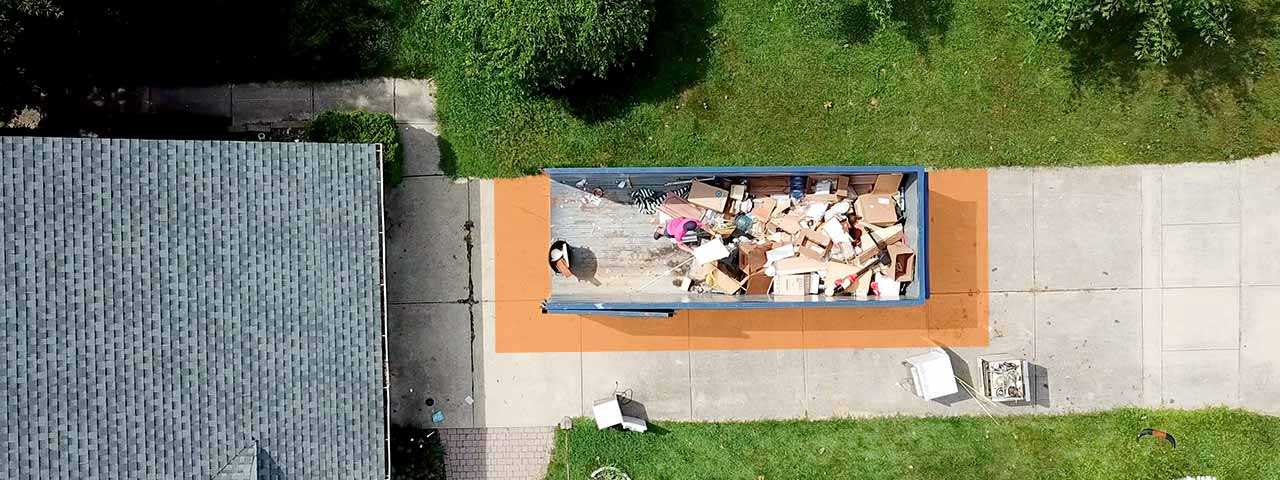
Make cleanup a breeze with a roll off dumpster:

What Makes One Dumpster Different From Another?
Most dumpsters share the same basic appearance, but there are a few factors that differentiate them from each other. Different dumpster types vary in practical ways, including lid design, how they’re delivered and emptied (rolled off versus lifted), how long they’re rented for and what kind of waste they’re meant to handle.
Roll Off vs. Front Load Dumpsters
Roll Off Dumpsters
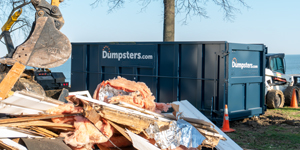
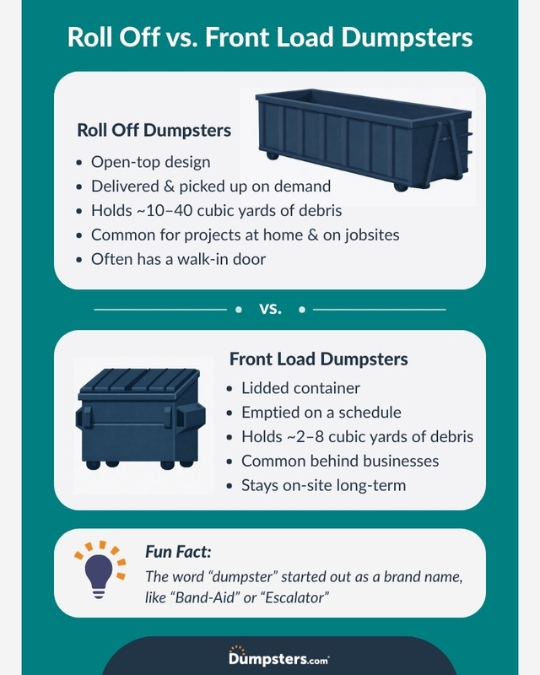
Roll off dumpsters arrive on specialized trucks that place the container on a driveway or jobsite. They're ideal for temporary projects like garage cleanouts, kitchen remodels and construction work. Once the project ends, the truck returns to haul the dumpster away.
Front Load Dumpsters
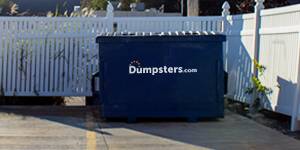
Front load dumpsters work differently. These lidded containers are typically smaller than roll off dumpsters. They stay in place long term and sit behind businesses or commercial buildings. Service trucks lift and empty them on a regular schedule.
View Roll Off vs. Front Load Dumpsters Infographic
Temporary vs. Permanent Dumpsters
Temporary Dumpsters
Temporary dumpsters are great for short-term projects and stay on-site only for the duration of the job. Roll off dumpster rentals almost always fall into this category.
Permanent Dumpsters
Permanent dumpsters provide an ongoing waste removal solution for businesses. Service trucks empty them on a regular schedule to keep trash and recycling under control year-round.
Main Types of Dumpsters and What They're Used For
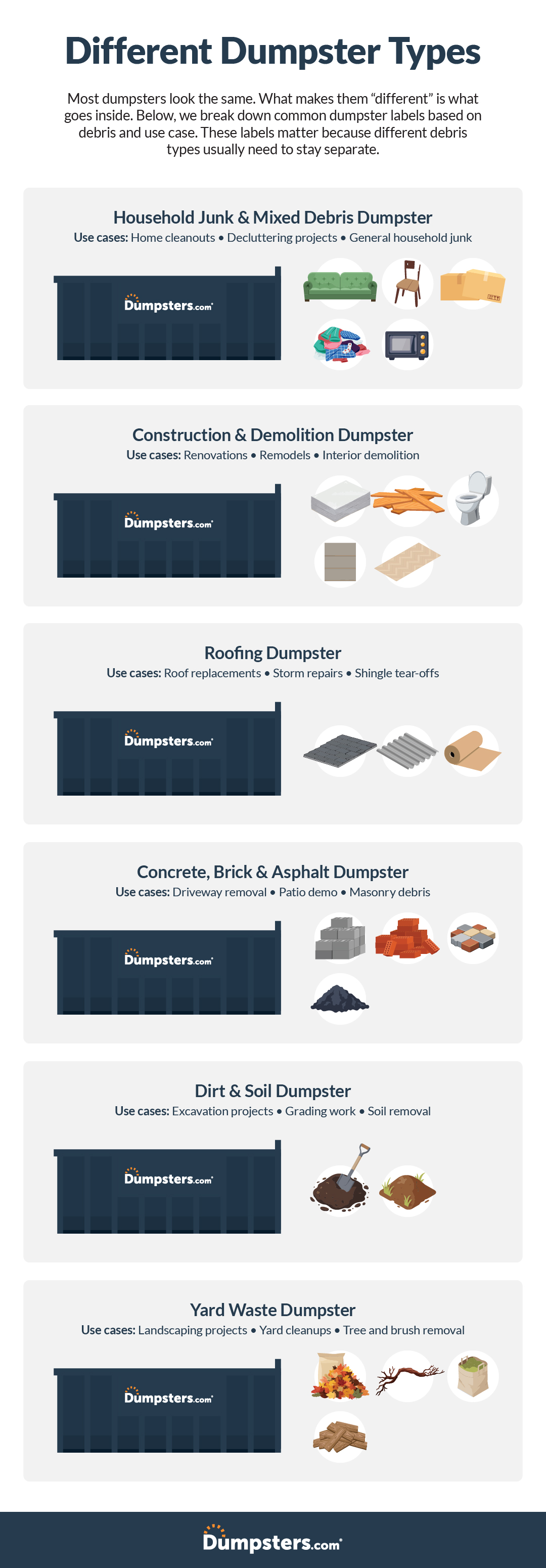
Many dumpster “types” take their names from the debris that goes inside them. A bin that's dedicated to concrete disposal, for example — though it looks like any other from the outside — is a concrete dumpster for the duration of the project. Here are the most common dumpster types based on the materials they’re meant to handle.
General Mixed Debris & Household Junk Dumpsters
These roll off dumpsters are popular for home cleanouts and light remodeling projects. They typically hold a mix of furniture, boxes, clothing and everyday household items, which is why many people refer to them as mixed waste dumpsters.
Construction & Demolition (C&D) Debris Dumpsters
C&D dumpsters handle teardown and renovation debris. These loads usually include drywall, wood, insulation and flooring. The debris tends to be heavier than household junk, so these construction bins come in smaller sizes to maintain a safe weight.
Roofing Dumpsters
Roofing dumpsters support roof tear-offs and repairs. Roofing shingles are heavy, so these bins are typically a smaller size to keep pickup safe and avoid overage fees.
Brick, Asphalt & Concrete Dumpsters
These dumpsters hold some of the heaviest debris generated on jobsites. Concrete, brick and asphalt add up fast, so these bins usually come in the 10 yard size and include a strict weight limit. To make recycling possible, these materials may need their own dedicated dumpster.
Dirt & Soil Dumpsters
Dirt and soil dumpsters simplify waste removal during excavation, grading and landscaping projects. Because soil weighs so much, customers usually load these heavy debris dumpsters partway to stay within weight limits.
Yard Waste Dumpsters
Yard waste dumpsters hold debris like branches, leaves and grass. These bins are useful during landscaping jobs, storm recovery and yard cleanup projects. They’re often dedicated dumpsters that accept only organic materials, allowing haulers to take them to green waste facilities for disposal.
View Dumpster Types Infographic
Order a Dumpster Online
Shopping after hours? Too busy to make another call? Book the dumpster you need, when you need it. Order your dumpster online 24/7.

Can I Mix Different Kinds of Waste?
Mixing debris is fine during home cleanout projects and other jobs involving municipal solid waste. However, reusable debris, like clean concrete and dirt, often require a dedicated dumpster. These materials must stay separate from other waste in order to make recycling possible.
What Can't Go in Any Dumpster?
Certain items can never go in a dumpster due to safety and environmental concerns. These typically include hazardous waste like chemicals, batteries, paint, tires and appliances that contain refrigerants. Local landfill rules vary, but these materials almost always require specialized disposal.

FAQs About Dumpster Types
What's the difference between a roll off dumpster and a commercial dumpster?
A roll off dumpster is an open-top metal container used for collecting and hauling debris during temporary projects. A commercial dumpster has a lid, stays in place long term and is emptied on a regular schedule.
How do I choose the right dumpster type?
Start by considering how long you need the dumpster, what kind of debris you plan to dispose of and how much material your project will generate. As you choose a dumpster type, these three factors matter more than the name attached to the container itself.
What is a refuse dumpster?
"Refuse dumpster" is a general term for a large waste container. People most often use it to describe commercial or front load dumpsters rather than temporary roll off containers.
What are compactor dumpsters, and when is their use recommended over a standard roll off?
Compactor dumpsters have a mechanism inside that periodically compresses the debris. Businesses that generate large amounts of trash often choose compactors to save space and reduce the need for frequent pickups. Unlike a roll off dumpster, which works best for temporary projects, compactors are great for consistently high volumes of trash.
Are there eco-friendly or recycling-focused dumpster rental options available?
Some dumpster rentals support recycling and waste diversion by separating recyclable materials or sending mixed loads to sorting facilities. Availability depends on your location and the type of debris you're throwing away.
Glossary Term Index
Next Up


