
How Do Compactor Dumpsters Compare to Front Load and Roll Off Dumpsters?
A compactor dumpster uses a built-in mechanism to crush waste as it fills, allowing a single pickup to clear more debris. This guide breaks down how compactors work and when they beat a standard dumpster.
Make cleanup a breeze with a roll off dumpster:

Key Takeaways
- More capacity, fewer pickups: A compactor dumpster uses a built-in hydraulic ram to crush waste, so it holds several times more than a standard bin and needs fewer hauls.
- Built for steady, substantial waste: Renting a compactor requires a long-term lease and permanent install, so it's best for consistent streams of high-volume waste.
- Standard dumpsters remain the flexible choice: A front load dumpster covers everyday trash on a set schedule, while a roll off dumpster suits individual projects.
Breaking Down Commercial Dumpsters
Commercial waste comes in all shapes and sizes, and so do the containers built to handle it. If your business waste exceeds a standard trash can, you’ve likely considered a few types of commercial dumpster options:
- Compactor dumpster
- Front load dumpster
- Roll off dumpster
This guide lays out what a compactor dumpster is, how it works and when it serves as a good alternative to a standard dumpster.
What Is a Compactor Dumpster?
A compactor dumpster is a commercial waste container with a built-in hydraulic ram. This waste compactor mechanism crushes trash after you load it, making the bin's capacity several times that of a container without compaction. The process results in fewer pickups and lower service costs for businesses with steady, high-volume streams of waste.
Because compactors require power to operate, they come with specific installation and electrical requirements. A compactor needs a dedicated power hookup, a prepared pad or foundation and, in many areas, a permit, making it a permanent installation rather than a temporary one.

How Does a Compactor Dumpster Work?
A compactor operates by pressing waste against a fixed wall or into an attached container. Workers load waste, a hydraulic ram compresses it and the process repeats until the container is full. Because compaction shrinks waste to a fraction of its original size, a compactor hits its weight limit long before it runs out of room. When the bin reaches that limit, a specialized truck empties or swaps the container, charging the renter per haul rather than per day.
Order a Dumpster Online
Shopping after hours? Too busy to make another call? Book the dumpster you need, when you need it. Order your dumpster online 24/7.
What Are the Different Types of Compactor Dumpsters?
Compactors come in two main designs: one for wet debris, like food scraps, and the other for dry debris, like cardboard.
Self-Contained (Wet) Compactors
The compactor and bin are permanently attached, resulting in one leak-resistant unit for wet or organic waste. When full, a specialized truck swaps it out for an empty one. Best for restaurants and food service.
Stationary (Dry) Compactors
The compaction mechanism remains on-site, pressing the debris into a detachable container that haulers swap out periodically. Best for warehouses and high volumes of cardboard and packaging.

What Is a Front Load Dumpster?
A front load dumpster is the standard, lidded commercial trash bin found behind a restaurant, office building or store, usually tucked into a dumpster enclosure. It holds roughly 2 to 8 cubic yards and has metal sleeves on the sides so a front-loading truck can lift and empty it on a set schedule. Front load service runs on an ongoing service contract, which makes it a good fit for businesses with predictable amounts of waste.
What Is a Roll Off Dumpster?
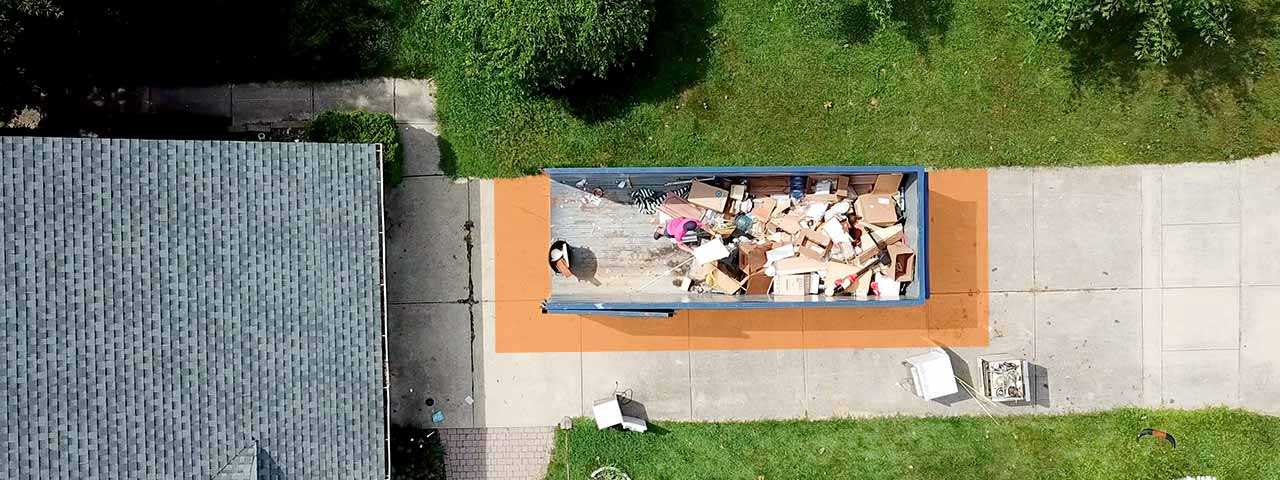
A roll off dumpster is an open-top container that slides off the back of a roll off truck and sits on a worksite for the length of a project. Roll off dumpster sizes run from 10 to 40 cubic yards, and the open top makes it easy to load bulky construction debris and household junk. Unlike a compactor or a front load bin, a roll off dumpster is a temporary rental. The customer pays for the delivery, rental period, pickup and an included weight limit that covers disposal for a set amount of debris.

Need a dumpster to handle the mess?
Get a Price and Place Your Order Give Us a Call to Learn More
Compactors vs. Standard Dumpsters: How Do They Compare?
Compactor dumpsters make sense for a narrow set of steady, high-volume operations, while standard dumpsters remain the more flexible choice for everything else.
Dumpster Types at a Glance
Because a compactor requires fewer pickups, renting one can lower hauling costs over time, even though the lease and installation involve a larger upfront investment. Here's how the three container types compare on pricing, container capacity, pickup frequency and a few other factors.
Factor | Compactor Dumpsters | Dumpsters.com Front Load Dumpsters | Dumpsters.com Roll Off Dumpsters |
|---|---|---|---|
Pricing model | Pay per haul, plus an equipment lease or purchase | Recurring fee on a service contract | Flat rate for delivery, rental period, pickup and weight limit |
Size and capacity | Similar footprint to a front load or roll off, but compaction multiplies effective capacity | 2 to 8 cubic yards | 10 to 40 cubic yards |
Pickup frequency | Emptied when full, often tracked by fullness sensors | Scheduled, often weekly | Once at the end of the rental, or swapped as needed |
Commitment | Ongoing service contract, sometimes multiple years | Ongoing service contract | Seven to 10 days for single cleanups. Extended, flexible timelines for ongoing projects. |
Accepted materials | Compactible waste like municipal solid waste, cardboard and packaging; not heavy rubble | Everyday commercial trash | Household debris, as well as bulky and heavy debris, including construction and demolition (C&D) material |
Best for | High, steady waste volume | Routine everyday trash | Large projects and one-time cleanouts |
Small Compactors vs. Front Load Bins for Restaurants and Retail
A small compactor rental and a front load dumpster work well in similar situations. They suit businesses with steady streams of waste and limited space, like restaurants, retail centers or mixed-use apartment complexes.
Small Compactors
Compactors pack down food waste and mixed trash, minimize odors and pests, and reduce the need for service in a crowded area. For a site short on space, that combination can improve operational efficiency and cost savings.
Front Load Dumpsters
A front load dumpster is less complicated to set up and keeps everyday waste handled on a simple, predictable schedule with far less commitment.
Large Compactors vs. Roll Off Dumpsters for Warehouses and Industry
For a high-volume operation like a warehouse, distribution center or shopping center, the choice usually comes down to a large compactor or a roll off dumpster. The two are often about the same size, but differ in terms of commitment and how the waste is handled.
Large Compactors
A large compactor holds more debris per container and needs fewer hauls, which suits sites with steady, heavy waste and room for a permanent installation.
Roll Off Dumpsters
A roll off dumpster arrives when you need it and leaves when the job is done, with no install or long-term commitment.
When Should You Use a Compactor Dumpster?
A compactor rental is worth it when your waste is predictable and high in volume. If your business deals with ongoing waste generation and recurring waste removal, and you have the available space, a compactor saves money on fewer pickups and lower long-term costs. Common uses include apartment complexes, restaurants, office buildings and similar operations that produce predictable waste types continuously.
When Is a Roll Off Dumpster the Better Call?
A roll off dumpster rental works best for waste from a project with a clear start and end. A construction project, a renovation or a large property cleanout produces a burst of debris that doesn't justify a compactor rental. For bulk waste disposal on a short timeline, the open top and short rental period of a roll off make it a convenient choice. That said, a roll off dumpster can be emptied on an as-needed schedule, so ongoing work gets the same flexibility without reordering each time.
FAQs About Compactor Dumpsters
Who typically uses compactor dumpsters?
Most compactor rentals go to businesses with steady, high-volume waste. That includes grocery stores, restaurants, warehouses, distribution centers, shopping centers, apartment complexes and manufacturing sites.
Can I rent a compactor dumpster for a one-time project?
You usually can't. Compactors are built for ongoing use and long-term placement, so a one-time cleanup or construction project works best with a roll off dumpster rented on a temporary basis.
What types of waste can go in a compactor dumpster vs. a roll off dumpster?
Compactors handle compactible material like municipal solid waste, cardboard, packaging waste, food waste and mixed recyclables. Roll off dumpsters take bulky loads like construction debris, demolition debris, household junk and yard waste. Neither one accepts hazardous waste.
How much does a compactor dumpster rental cost compared to a roll off container?
A compactor carries a higher long-term commitment, since you pay for installation, leasing the equipment and per haul. The benefits of a compactor include fewer pickups and lower hauling costs over time. Roll off dumpster pricing covers your delivery, rental period, pickup and disposal up to a certain amount of weight. Exact costs for both types of dumpster depend on your location, your waste volume and your service terms.
What happens to waste after it's compacted in a dumpster?
Once the container is full, the compacted waste goes to a transfer station or landfill. Recyclable loads like baled cardboard may go to a recycler instead. Compaction doesn’t change where waste ends up, only how it gets there.
Are compactor dumpsters better for the environment than roll off containers?
They can be. By reducing volume, compactors cut the number of hauling trips, which lowers emissions from collection. They also support waste reduction and sustainability goals when paired with recycling, since materials like cardboard can be baled and diverted for reuse. Roll off dumpsters can also be an environmentally friendly option. When kept clean, dumpster loads of concrete, metal and cardboard can go to recycling facilities rather than landfills.
Glossary Term Index
Accepted Materials | Clean Load | Front Load Dumpster | Landfill
Recycling Center | Roll Off Dumpster
Next Up


