
Dumpster Overage vs. Overfill Fees: What They Are and How to Avoid Them
Avoid surprise charges by understanding the difference between overage and overfill fees. Knowing your dumpster's weight and fill limits helps keep your project safe and on budget.
Make cleanup a breeze with a roll off dumpster:

Key Takeaways
- An overage fee occurs when debris weight exceeds your included weight allowance, while a dumpster overfill fee is triggered by stacking material above the physical fill line.
- Loading above the fill line or exceeding safe upper weight limits leads to a pickup refusal, which triggers a trip fee (or dry run fee) and requires unloading debris before the truck returns.
- Following dumpster loading guidelines, using a weight calculator and choosing the right dumpster size help prevent extra fees and project delays.
The Hidden Costs of Loading Mistakes: Overage and Overfill Charges
If you've never rented a dumpster before, terms like "overfilled," "overage" and "overloaded" can all start to blur together, and even seasoned renters get tripped up when these words show up on an invoice or rental agreement. In fact, "overage fee" is often just another way of referring to an overweight fee, which only adds to the confusion.
This guide breaks down the real difference between a heavy load and a volume overflow, so you know exactly what you're dealing with before extra charges catch you off guard on your next dumpster rental.
Overage vs. Overfill: Key Differences at a Glance
Dumpster Overage Fee | Dumpster Overfill Fee | |
|---|---|---|
Primary Trigger | Exceeding the dumpster’s allowed weight limit | Loading debris above the dumpster’s fill line |
How It's Measured | Scale tonnage at disposal facilities | Visual inspection by the roll off truck driver |
Pricing Model | Typically a pro-rated, per-ton fee, usually $50 to $250 per ton | Typically billed as a trip fee if the driver can’t pick up the container |
Operational Impact | Extra debris weight increases disposal costs at the landfill. In extreme cases, it makes the container impossible or illegal to haul | Exposed materials create road safety hazards during transit |
Can the Truck Still Leave? | Yes, unless the weight is excessive (10 tons or more) | No, unless material above the fill line is removed |
What Is a Dumpster Overage Fee?
A dumpster overage fee is a weight-based charge applied when your debris exceeds your dumpster’s included weight limit. Every roll off dumpster comes with a specific, predetermined included weight allowance tied to its size and the scope of your project. When your dumpster rental arrives at a disposal site, the truck passes over a certified scale to weigh the debris.
Minor Weight Overages: Standard Per-Ton Fees
Going over your dumpster's included weight limit usually isn't a major issue. Your container will most likely be hauled away as scheduled — you'll just owe a pro-rated, per-ton overage fee. This fee applies regardless of how full the container looks visually. A dumpster that's only half-filled with dense materials like wet soil, concrete or broken brick can easily exceed its weight limit and trigger an overage fee.
Severe Overloaded Dumpster: Pickup Refusal
Things get more complicated once a load climbs to around 10 tons or more, since that's the legal weight ceiling for transporting a loaded roll off dumpster on public roads. Past that point, the driver may not be able to haul the container at all, whether for safety reasons or legal ones. When that happens, the dumpster has to stay put on-site until enough material is removed to bring it back under the limit.

What Happens When a Pickup Is Refused?
A dumpster that can't be hauled away may also come with a trip fee (sometimes called a dry run fee). This isn't a punishment — it simply reflects the real cost already incurred for that trip, including the driver's time, fuel and a reserved slot on the day's route. Since drivers work tight schedules, a single blocked pickup can throw off several other deliveries down the line.
Order a Dumpster Online
Shopping after hours? Too busy to make another call? Book the dumpster you need, when you need it. Order your dumpster online 24/7.
What Is a Dumpster Overfill Fee?
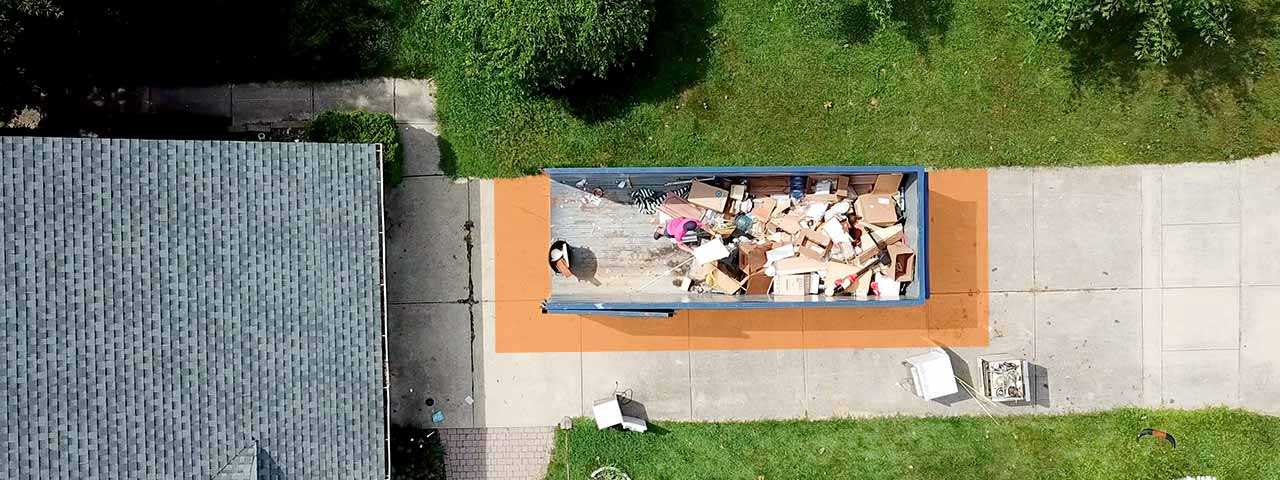
A dumpster overfill fee is a volume-based fee triggered before the truck even leaves your property. Every container features a designated fill line beneath the top rim or lip of the steel walls. The container can't be transported if materials protrude past this physical boundary, regardless of the overall debris weight.
- Piling furniture, lumber, tree branches or other debris above the rim makes the container unsafe for transit.
- Even if the items inside are lightweight and well under your weight limit, loading past the fill line compromises the truck's automated tarping system.
- If items stick out, the operator can't secure the load safely for highway travel.
How Much Do These Dumpster Fees Cost?
Unexpected loading fees vary based on local regional factors, but they generally follow distinct pricing structures.
- Overage fee costs: These are typically structured as a pro-rated, per-ton weight overage charge added directly to your initial invoice. Depending on local landfill rates and regional hauling fees, this typically ranges from $50 to $250 per excess ton.
- Overfill fee costs: This results in a trip fee if the driver can't pick up the bin because of debris sticking out the top. Most trip fees cost between $195 and $350.
- Overloaded dumpster costs: When a load is too heavy for the truck to lift and remove safely, the driver can’t complete the pickup, resulting in a trip fee. The excess weight must be removed before a return pickup can be scheduled.
Behind the Fees: Why Weight and Volume Limits Exist
Weight and volume limits aren't arbitrary. They're in place to keep drivers safe, protect equipment and comply with transportation laws. Here's why dumpster rental companies enforce them:
- Trucks have legal weight limits. Local, state and federal transportation regulations limit how much a fully loaded truck can weigh on public roads.
- Heavy dumpsters can damage equipment. If a dumpster exceeds the truck's lifting capacity, the hydraulic system may not be able to safely load or transport it.
- Overweight loads cost more to dispose of. Landfills charge by weight, so going over your included weight limit results in additional disposal costs.
- Haulers can face costly fines. Overweight trucks may be ticketed at roadside inspections or weigh stations, making it important to stay within legal limits.
- Debris must stay inside the dumpster. Materials can't extend above the top edge because every load must be securely tarped before it's transported.
- Overfilled dumpsters create safety hazards. Loose debris can fall onto the road, increasing the risk of accidents and property damage.
These limits help ensure your dumpster can be picked up safely, transported legally and disposed of without delays or unexpected issues.
Heavy Materials That Often Trigger Overage Fees
Demolition and renovation projects can add weight faster than you might expect. Heavy materials like concrete, brick and roofing shingles can push you over your weight limit even when the dumpster isn't full. Materials that pack tightly or absorb water can also weigh much more than they appear. Be especially mindful when discarding the following high-density materials.
Dirt and soil
Excavated yard waste packs tightly, eliminating empty space and maximizing scale weight.
Roofing shingles
Asphalt shingles are incredibly dense; a single square foot of architectural shingling weighs several pounds.
Construction debris
Plaster, wet drywall, tile and heavy timbers rapidly exhaust a standard weight capacity.
What Happens if the Truck Can’t Haul Your Dumpster?
If your dumpster is overloaded or overfilled, the driver may not be able to take it. When that happens, your pickup will likely be delayed until the dumpster can be removed safely. Here's what to expect:
- The driver may be able to wait while you make a quick fix. If the only issue is a few items sticking above the fill line, and the driver can reach you, they may wait while you remove them. Depending on how long it takes, a wait fee may apply to cover the driver's time on-site.
- The driver may leave the dumpster behind. If the load is too heavy or excessive debris extends above the top edge, the truck can't safely transport it.
- You may be charged a trip fee. Because the driver still traveled to your property, many companies charge a dry run or trip fee for the unsuccessful pickup.
- You'll need to remove excess debris. Take out enough material so the load is below the top of the dumpster and within a transportable weight limit. If your container is severely overweight, such as a dumpster filled with heavy roofing shingles or concrete, it’s often best to rent a second dumpster to transfer half the material into.
- You'll need to reschedule pickup. Once the dumpster is safe to transport, your rental company can return to haul it away.
How to Avoid Overage and Overfill Charges
A little planning can help you avoid extra fees and keep your project on schedule. Use these tips to stay within your dumpster rental's weight and fill limits.
Choose the Right Dumpster Size
Evaluate your project scale accurately before booking your rental. A 10 yard dumpster is ideal for dense, compact materials like concrete or soil, while a 20 yard dumpster or 30 yard dumpster handles high-volume but lighter items from a large home cleanout.
Use a Weight Calculator
Use our online dumpster weight calculators to translate your debris volume into anticipated real-world weight before ordering.
Follow Dumpster Loading Guidelines
Distribute heavy items flat and evenly across the bottom floor of the container rather than piling them in one corner.
Respect the Fill Line
Never stack items over the top edge or try to "round up" the pile like a pyramid. Break down large furniture or framing pieces to eliminate empty air pockets and drop the overall fill level.
Call if You Need More Room
If your dumpster is filling up faster than expected, contact your dumpster rental company. Swapping it for an empty dumpster or renting a second one is often less expensive than paying overage or trip fees.
What to Do if You See an Unexpected Fee on Your Invoice
If you notice a charge you weren't expecting, don't panic. There are a few simple steps you can take to understand where it came from.
- Review your rental agreement. Check your included weight limit, prohibited materials and any fees related to overfilled or overweight dumpsters.
- Ask for an explanation. A reputable dumpster rental company should be able to explain any additional charges and how they were calculated.
- Request the landfill weight ticket. If you were charged for exceeding your weight limit, ask for a copy of the landfill scale ticket. It provides an official record of how much your debris weighed.
- Reach out if something doesn't look right. If you believe a fee was applied in error, contact your rental provider. They can review your account and answer any questions about your final invoice.
FAQs About Dumpster Overage and Overfill Fees
Can a dumpster be too heavy to pick up?
Yes. If the container exceeds structural lift limits or safe transit parameters, the truck will leave it behind. This typically occurs if the weight is 10 tons or more. You will be assessed a trip fee and must remove materials until the container is light enough to lift safely.
What’s the difference between an overage fee and an overfill fee?
An overage fee is charged when your dumpster debris exceeds the included weight limit. Because landfills charge disposal costs by weight, you'll typically pay an additional fee for each ton over your rental's limit.
An overfill fee applies when debris extends above the dumpster’s fill line. Overfilled dumpsters can't be safely tarped or transported, so you'll need to remove the excess material before the dumpster can be picked up. In some cases, additional fees may apply if the driver has to wait or return for a second pickup.
Does bundled pricing protect me from overage fees?
Bundled pricing includes a set weight capacity to keep baseline costs highly predictable. However, you can still face a weight overage charge if your debris tonnage goes over the specific weight limit outlined in your agreement.
What happens if it rains on my open dumpster?
Materials like wood, carpet, drywall and dirt soak up rainwater like a sponge. This can inflate your total debris weight and causes potential overage fees at the landfill scale. Cover your container with a tarp during heavy storms to avoid extra water weight.
Can I pack a dumpster over the top edge if I throw a tarp over it?
No. Tarping your own dumpster does not bypass safety standards or Department of Transportation regulations. Drivers must use their own mechanical tarps and will still enforce volume restrictions to comply with highway transit regulations.
Glossary Term Index
Next Up


