
Bulk Curbside Pickup vs. Dumpster Rental
City pickup works for small stuff, but some debris is just too big for the curb. We'll help you figure out where the limits are and when it might be time to rent a dumpster instead.
Make cleanup a breeze with a roll off dumpster:

Key Takeaways
- Curbside pickup has limits: Most cities cap weight, size and item count per pickup, and they typically won't take construction debris or multiple bags of yard waste.
- Dumpsters suit large or time-sensitive jobs: Choose them for renovations, cleanouts and any project generating debris faster than your city's pickup schedule allows.
- Weigh cost against time: Curbside pickup is often free or low-cost, but it runs on the city's schedule. A dumpster rental costs more upfront, but it stays on-site and on your timeline.
How to Decide Between Curbside Pickup and a Dumpster Rental for Your Project
When junk piles up, curbside pickup is often the first thing people think of. It’s part of most city services and can typically handle the occasional bulky item. But for large projects or certain restricted items, a dumpster rental becomes the more practical choice. This guide breaks down what each option offers, where bulk pickup falls short and how to know when a dumpster is the right call for your cleanup.
What Is City Curbside Pickup?
Most local governments provide municipal waste collection as a standard city service. Residents set out household waste, recycling and the occasional bag of yard debris for crews to collect on a set pickup schedule. This is the service most people picture when they hear “curbside pickup."
Bulk pickup is a separate process in that system that typically requires an appointment in advance. Rather than bagged household waste, it’s meant for large pieces of bulk waste, like furniture and appliances.


What Is a Dumpster Rental?
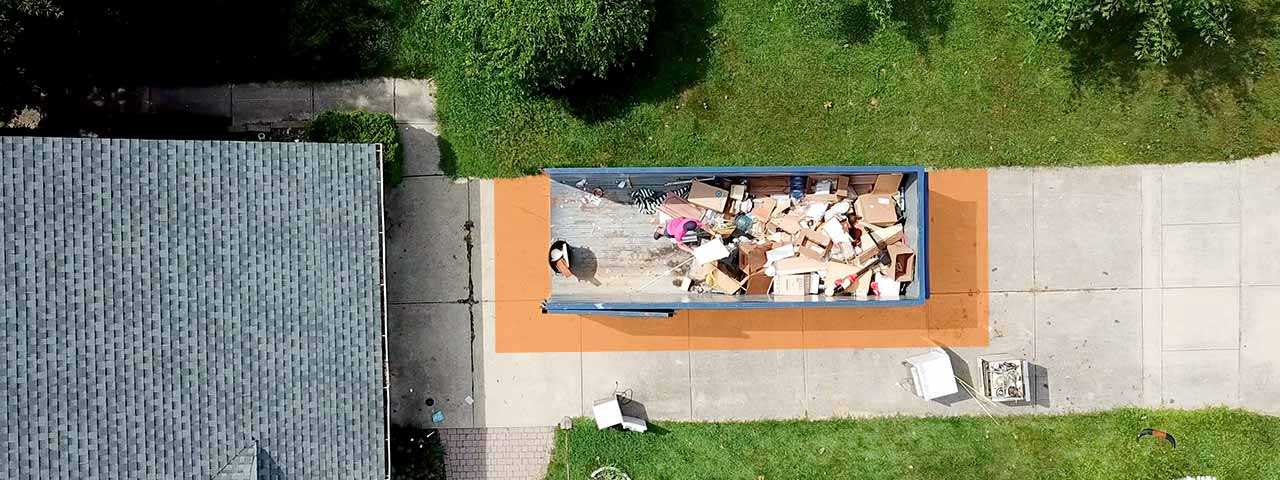
A dumpster rental is a paid service: a roll off truck delivers a container to your property, you fill it on your own timeline and the truck returns to haul it away. The most popular residential dumpster rentals range from 10 to 30 cubic yards. Choosing the right dumpster size for your project depends largely on your total disposal volume and what kind of material you’re throwing away.
Order a Dumpster Online
Shopping after hours? Too busy to make another call? Book the dumpster you need, when you need it. Order your dumpster online 24/7.
4 Limitations of Bulk Curbside Pickup
Bulk pickup is convenient and often available at little to no extra cost, but it has a few limitations. Here’s where it tends to fall short:
Size and Weight
Most cities cap weight limits and item dimensions for bulk pickup. A queen-size mattress might qualify, a trampoline should be disassembled first and a load of construction debris is typically too heavy.
Total Volume and Number of Items
Programs usually allow only one or two items per pickup, with a volume limit. Mattress disposal may be fine, but a garage full of boxes, even small ones, is not.
Scheduling
Bulk pickup runs on a fixed pickup frequency, often monthly, and most cities require a call-ahead service request before the truck comes. Your project may need to wait two to four weeks for the next available date.
Prohibited Items
Cities maintain strict item restriction lists. Prohibited items typically include lumber, flooring and yard waste beyond a few bags. Check your city’s list before assuming something can go to the curb.
Need a dumpster to handle the mess?
Get a Price and Place Your Order Give Us a Call to Learn More
The Gradual Disposal Approach: Does It Work?
Some homeowners try to work around bulk pickup limits by spreading a cleanout project over several weeks or months. Instead of tackling the full disposal volume at once, they'll work through disposal little by little. For small, ongoing disposal projects, this works fine and keeps costs low.
That approach breaks down when it comes to large cleanouts with time constraints. Debris quickly outpaces curbside pickup frequency, making junk removal services or dumpster rental preferable. And while the per-item price stays low, the real cost shows up in time: weeks or months of waiting, hauling items to the curb in batches and working around a schedule you don’t control.
When to Rent a Dumpster Instead
Once a project reaches a certain volume, dumpster rentals outshine curbside pickup, DIY dumping and other alternatives. Common dumpster uses include a full property cleanout, decluttering before a move, construction debris from a larger build or any one-time cleanup where everything needs to go at once. They also come with a shorter prohibited items list, accepting most junk from home projects. The main planning consideration is available space on your property, since delivery trucks need roughly 60 feet of paved, flat access and 25 to 30 feet of vertical clearance to drop off a dumpster.
How to Choose the Right Disposal Option
Curbside pickup and dumpster rental work well in different situations. A few bags of yard waste or a couple of furniture pieces are a good fit for curbside pickup. Dumpster rental makes sense for large projects like renovations and major decluttering, where volume, timing or material type puts the job outside of what curbside service can handle.
Factor | Curbside Pickup | Dumpster Rental |
|---|---|---|
Disposal Volume | Best for a single item or two | Ideal for large volume projects |
Project Timeline | Works on the city’s schedule | Works on your schedule |
Convenience | Requires you to carry debris to the curb and bag, bundle or wrap certain items | Container sits close to your workspace and debris can typically go into it without a bag |
Disposal Cost | Often free or costs a small fee | Bundled pricing based on size, location, debris type and weight |
Accepted Items | Furniture and major appliances, though refrigerators and mattresses often have separate handling rules | Accepted items include construction debris, most household items and yard waste |
Available Space Required | None | 60 by 10 feet of flat, paved space and 25 to 30 feet of vertical clearance |
FAQs About Curbside Bulk Pickup
What’s the maximum size or weight limit for an item to be considered bulk waste for curbside pickup?
Limits vary by city, but most bulk pickup programs cap individual items at around 50 to 100 pounds. Maximum dimensions are typically around 5 feet in length. Contact your local municipality for exact figures.
How do I schedule a bulk item pickup with my city?
Most cities require advance notice by phone or through an online form, rather than just setting items at the curb. Scheduling typically opens a few days to a few weeks ahead of your pickup date.
How often does bulk trash pickup happen in most cities?
Pickup frequency is usually monthly or quarterly, though some larger cities offer it weekly alongside regular trash service. Smaller municipalities may limit residents to just a few bulk pickups per year.
When should I use a dumpster rental instead of curbside pickup?
Once a project involves more than a couple of items, generates construction debris or needs to be cleared out quickly, a roll off dumpster is more practical than bulk pickup and other disposal alternatives.
Does curbside pickup accept construction debris or renovation waste?
Generally, no. Municipal waste collection typically excludes construction debris and renovation waste like drywall, lumber, tile and roofing material. This is one of the most common reasons homeowners prefer dumpster rentals during renovation.
Can I put furniture out for bulk trash pickup?
In most cities, yes. Furniture is one of the most commonly accepted bulk items, though pieces in poor condition may carry extra requirements. Check your city’s accepted items list to confirm.
What happens if I put out more than my city allows for bulk pickup?
Crews typically leave anything beyond the stated volume or weight limit, and repeated violations can result in a fine. If you’re regularly exceeding the limit, that’s usually a sign to consider a dumpster rental and finish the project on your own schedule.
Is curbside bulk pickup free, or does it cost extra?
It depends on the city. Many municipalities include a set number of bulk pickups in regular waste collection fees, while others charge a flat fee per item or per pickup. Either way, it’s typically less expensive upfront than renting a dumpster, though disposal cost should be weighed against the limitations above.
Glossary Term Index
Next Up


